Drug Combination Prediction
Understanding synergistic therapies across compounds.
Research Focus
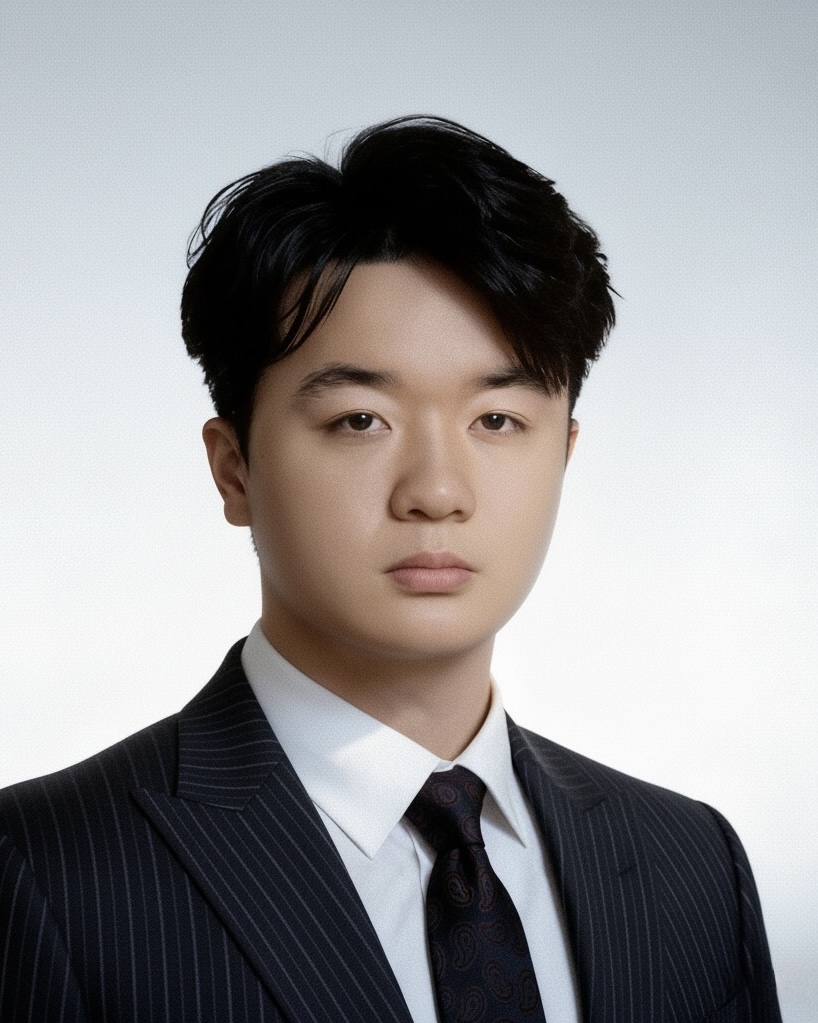
M.Sc. Student in Precision Health and Medicine at the National University of Singapore
Developing graph-based and multimodal AI methods for drug combination prediction, drug repurposing, and precision medicine. Previously trained in biomedical image analysis, now focusing on computational therapeutic discovery.
Singapore · National University of Singapore · AI for Drug Discovery
From biomedical image analysis to computational therapeutic discovery.
I started out in biomedical image analysis, where I learned how to turn clinically grounded questions into computational problems that can actually be modeled and tested.
That experience gradually led me toward AI for drug discovery and precision medicine. Today, I am particularly interested in graph-based and multimodal methods for drug combination prediction, drug repurposing, and clinically meaningful therapeutic modeling.
Understanding synergistic therapies across compounds.
Finding new uses for known therapeutics.
Connecting omics, molecular, and clinical signals.
I develop hypergraph-based models to capture higher-order relationships among compounds, cellular context, and biological pathways for combination prediction. Rather than restricting the problem to pairwise structure, this work explores whether richer relational modeling can better represent the biological dependencies underlying drug synergy. More broadly, I am interested in whether these representations can support more robust and data-efficient prioritization of candidate combination therapies.

I investigate topology-aware GWAS modeling by encoding variant relationships as structural priors rather than treating loci as isolated signals. This approach aims to preserve biologically meaningful neighborhood context while probing subtle effects under careful statistical control. The broader goal is to build association models that remain interpretable while making fuller use of structured genomic information.

My earlier work focused on medical image segmentation across organ and lesion analysis tasks, with an emphasis on robust boundary-aware modeling under heterogeneous imaging conditions. I explored encoder-decoder architectures that improve structural detail preservation and segmentation consistency across datasets. This line of work gave me a strong foundation in clinically grounded evaluation, data-centric model development, and the practical challenges of biomedical imaging research.